News and Updates
Middle East Conflict and Travel: Which Countries May Suddenly Change Entry Rules?
Quick Summary – Sudden Entry Changes in Middle East 2026
- Active conflict (Iran–US/Israel escalation since Feb 28, 2026) causes airspace closures and rapid policy shifts
- High-risk countries: Israel, Lebanon, Iran, Iraq, Syria, Yemen – frequent Level 4 “Do Not Travel” advisories
- Gulf states (UAE, Saudi Arabia, Qatar, Kuwait, Bahrain, Oman) – temporary visa extensions, entry waivers or sudden restrictions
- Jordan & Egypt – case-by-case extensions, but heightened screening and possible border closures
- Most common changes: emergency visa extensions, fine waivers for stranded tourists, suspended visa-on-arrival
- Monitor embassies, register with STEP/SMARTraveller, have flexible tickets & travel insurance
- Avoid non-essential travel to the region until de-escalation
How Geopolitical Tensions Trigger Instant Travel Rule Changes
The escalation of military operations in the Middle East since late February 2026 has led to immediate airspace closures, embassy suspensions and dynamic immigration responses. Countries often implement force majeure measures within hours: visa-on-arrival suspensions, automatic extensions for tourists unable to depart, or tightened entry screening. While some nations (especially GCC) offer leniency to stranded visitors, others impose sudden bans or require special permissions.
In active conflict zones, entry rules can change overnight – always check official sources before booking or travelling.
— World Travel Docs Advisory, March 2026
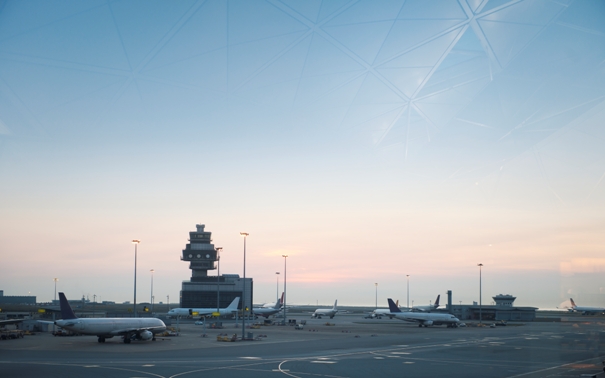
Countries Most Likely to Impose Sudden Changes
Based on current advisories and observed patterns in March 2026:
- Israel – automatic re-entry visa extensions (through March 21+), but frequent airspace closures and Level 4 advisories; entry often restricted for certain nationalities
- Lebanon – high risk of full entry suspension or emergency visa requirements; many embassies advise against all travel
- Iran, Iraq, Syria, Yemen – near-total entry bans for most foreigners; visa processing halted, airspace closed
- Gulf States (UAE, Qatar, Kuwait, Bahrain, Saudi Arabia, Oman) – temporary amnesty/extensions for overstays due to flight cancellations; sudden tightened security checks or visa-on-arrival pauses possible
- Jordan & Egypt – case-by-case extensions at immigration offices; land borders may close suddenly; enhanced screening for transit passengers
Less affected but still volatile: Cyprus (military incidents), Turkey (regional spillover risks).
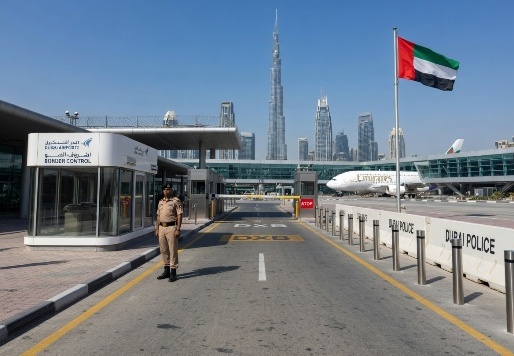
Practical Steps to Adapt Your Travel Plans
- Check real-time advisories daily (U.S. State Dept, UK FCDO, Australian Smartraveller, EU Re-open EU, your country’s MFA)
- Register with embassy programs (e.g. STEP.state.gov, Smart Traveller Enrollment)
- Book fully refundable/changeable flights and accommodation
- Purchase comprehensive travel insurance covering war, conflict and trip interruption
- Have backup plans: alternative routing via Europe/Africa, extra funds for extended stays
- Avoid transit through high-risk airports (DXB, DOH, AUH currently disrupted)
- If already in-region: contact local immigration + your embassy immediately if visa nearing expiry
Why These Changes Happen So Quickly
Governments prioritise security: missile/drone threats, airspace safety, potential reprisals. Gulf countries often balance tourism revenue with rapid response – hence frequent emergency extensions/waivers. In conflict-core areas (Iran, Israel, Lebanon), restrictions are near-permanent during active phases.
Other News

KEY WORDS
- Middle East Conflict 2026
- Sudden Visa Changes
- Gulf States Entry Rules
- Travel Advisory Level 4
- Airspace Closure Middle East
RECENT ARTICLES
Thailand Visa Rules 2026: Key Changes for Tourists
08 FEB, 2026Malaysia Employment Pass 2026: Salary & Rule Changes
09 JAN, 2026Free Online Enquiry
Ask us today!